Salve! proposes new
ways of thinking about
and implementing public
safety based on the common good.
Learn more

The Rede pelo Clima coordinates
climate justice initiatives
in the Baixada Santista region.
Learn more
A laboratory for citizen-driven
solutions designed
to improve the
utilization of CadÚnico.
Learn more
PROCOMUM
Procomum is a nonprofit organization dedicated to advancing socio-environmental justice, democracy, and care as the foundations for building a shared world. It promotes citizen leadership through a territorial and community-based approach, supporting spaces for experimentation and collective action that strengthen community autonomy in the pursuit of more just, inclusive, and regenerative societies.
The Institute operates two community laboratories in Santos (SP) and Brasília (DF), which serve as open platforms for knowledge, engagement, and community empowerment, developing methodologies centered on care, diversity, and territorial autonomy.
Purpose
Strengthen citizen participation and political co-production through collaborative spaces and methodologies that promote collective action, the common good, and living well, generating shared solutions to contemporary problems.
The Procomum Institute achieves this through territorial, relational, and political action, recognizing that today’s challenges require collective responses, built together with people and grounded in their life contexts, knowledge, and dreams. It views the territory as a network of practices, experiences, and social technologies that sustain the commons, expanding to have a global impact in partnership with countries in the Global South.
Values

Focus on the common good
as a fundamental political practice and as a prerequisite for building futures guided by the living well concept.

Encounter as a driver of social transformation
By creating conditions for meaningful connections, mutual recognition, and experimentation, encounters fosters collective learning, autonomy, and the capacity for shared action.

Care
with people, with relationships, with resources, and with local areas, viewing care as both a path and an end to political participation and citizen-led innovation. Care (for oneself, for others, and for us) serves as the foundation that organizes communities and the protocols managed by those same communities.
What
WE DO?
WE BRING
COMMUNITIES TOGETHER
We connect people, communities, and regions. We empower communities and individuals who are committed to pursuing their dreams and the living well concept. We value diverse knowledge, expertise, and personal journeys. We facilitate gatherings that foster experimentation, collective learning, and autonomy.
WE TEST
SOLUTIONS
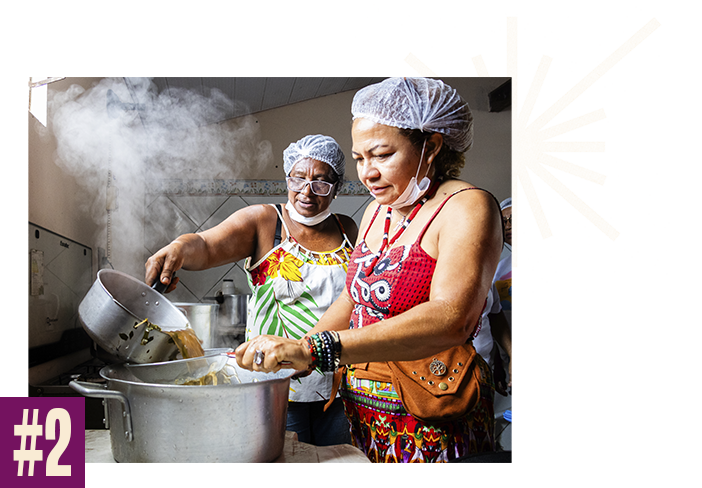
We create citizen-led labs and collaborative processes. We facilitate political collaborations through spaces and methodologies that promote and strengthen collective action, the common good, and the living well philosophy, generating collective solutions to contemporary problems.
WE TURN KNOWLEDGE INTO ACTION
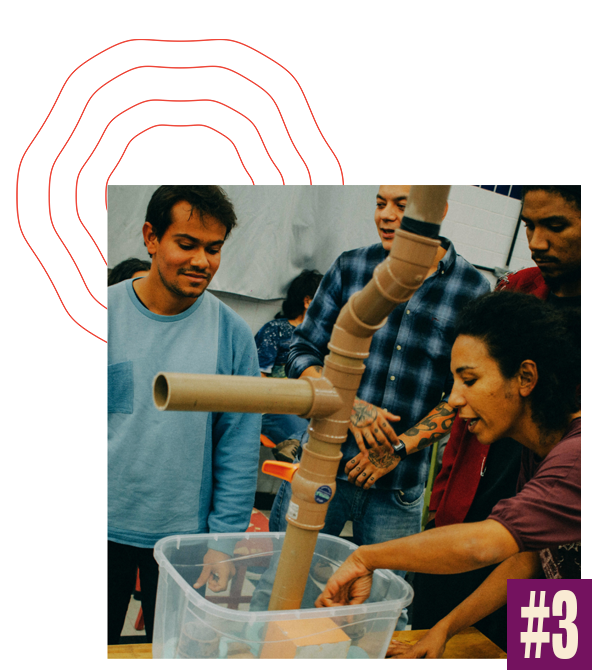
We believe in community-based solutions and citizen leadership as tools for political participation and empowering people. We write publications and develop methodologies, and we also engage in public advocacy.
goods
do we do it?
WE TURN
KNOWLEDGE in
COMMON
GOODS
To reach this goal, we have developed methodologies, products, services, and frameworks that can be utilized, replicated, and adapted. They are organized under the following strategies:
To reach this goal, we have developed methodologies, products, services, and frameworks that can be utilized, replicated, and adapted. They are organized under the following strategies:
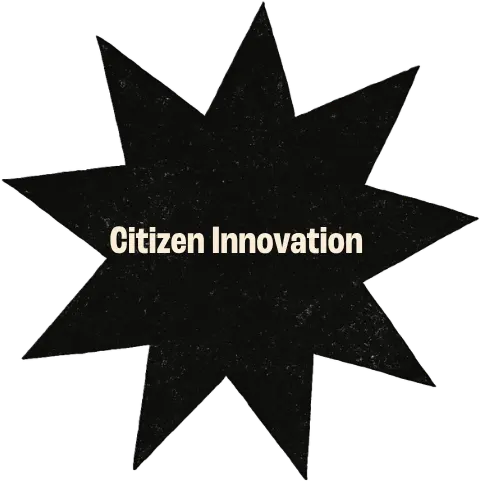
Citizen Innovation is the co-creation of solutions to collective problems, led by those who experience them and characterized by experimentation, care, and a focus on the common good. This innovation is not organized according to the exclusivity and competition typical of the market, but rather through collaboration, openness, and creative co-creation. It is a technology that emerges from communities organized around the common good, such as suburbs, traditional communities, and neighborhood associations.
Strengthening networks is a central pillar of Procomum’s work. Through mapping, mobilizing contributors, and fostering connections among individuals, collectives, and organizations, the Institute strengthens the social fabric, expands channels of exchange, and bolsters existing initiatives, recognizing that social transformation is built on the creation of lasting alliances and sustained collective action. The methodology also ensures that the structure of these networks is based on protocols, shared knowledge, and systematized care practices, with the potential to influence public policies and institutional processes both locally and across the Global South.
Making care visible—recognizing it, distributing it, and practicing it—is a strategy of Procomum, which views care as the foundation of the social, political, and institutional relationships that sustain life. The technology of care manifests itself in various ways in Procomum’s approach, such as in the creation of gatherings that prioritize the time, motivation, and mental health of everyone involved; in the provision of grants that enable people to commit to and dedicate themselves to opportunities for social participation; and in the celebration of care as a narrative of empowerment.
our
PERMANENT LABORATORIES
our
THEMES
Peripheral, traditional, and other minority communities contribute the least to the climate crisis, yet they suffer the most from its consequences; often, they are also at the forefront of advocating for sustainable practices and the living well concept. Procomum activates networks in the Baixada Santista region and the Global South to influence climate agenda policies, narratives, and practices, focusing on care, community knowledge, and collective action.
In the face of social fragmentation and the erosion of democracy, Procomum works to develop alternatives that strengthen citizen participation and the collective development of political solutions, viewing care as a guarantee of political agency and action. All of Procomum’s projects are guided by the democratic principles of listening, participation, and feedback, inviting people to participate and offering them ways to reclaim their agency in decision-making processes.

Care permeates and sustains Procomum’s entire methodology. It is put into practice in the design of meetings, networks, and projects that value people’s time, opinions, and life experiences. Care is also a tool that ensures equal participation: people who are cared for are able to participate in collaborative efforts, in the development of community-based solutions, and in the formulation of public policy. Care is one of the most overlooked practices in society, and Procomum views it as a means of fostering community, celebration, and connection—all of which are essential to transformation.
our
METHODOLOGIES
For a decade, Procomum has been carrying out its work based on the concept of citizen innovation, which is the co-creation of solutions to collective problems, led by those who experience them, and characterized by experimentation, care, and a focus on the common good. This innovation is not organized according to the principles of exclusivity and competition typical of the market, but rather through collaboration, openness, and creative co-creation. It is a technology that emerges from communities organized around the commons, such as suburbs, traditional communities, and neighborhood associations.
Learn about the three main methodologies developed by Procomum based on citizen innovation:
Citizen Labs
Citizen innovation labs are collaborative processes that bring together communities, organizations, and often public institutions to create solutions to real challenges faced by local territories. More than just a physical space, a lab is a combination of people, networks, methodologies, and resources that makes it possible to test ideas, learn collectively, and turn proposals into concrete actions. Its focus is on placing the community at the center of the process, valuing local knowledge and promoting co-production between citizens and institutions. In practice, these labs take the form of open calls, collaborative activities, facilitation, mentoring, and prototyping.
Throughout the process, proposals and prototypes are developed to address local challenges, while simultaneously empowering individuals, groups, and community networks. The results can inspire new initiatives, be adapted by other communities, or even be incorporated and replicated by public agencies, thereby expanding their impact and reach.
At Procomum, we have developed three types of laboratories:

Permanent Laboratory
It maintains an active community over time, serving as an ongoing platform for gatherings, projects, learning, and experimentation. It offers physical space, a digital environment, or both, providing ongoing support for the development of initiatives and the strengthening of local networks. Procomum operates two permanent labs: LAB Procomum (Santos) and Casa Comum (Brasília-DF).

LABIC (Citizen Innovation Lab)
An intensive program focused on developing proposals that have already emerged from the community. Through open calls, both the proposals and the collaborators who will make up the teams are selected. Over the course of about ten days of collaborative work, the groups develop prototypes with the support of mentoring, facilitation, and knowledge sharing.

Laboratório Relâmpago
A format designed to generate new ideas and proposals by bringing together people with different experiences, knowledge, and perspectives. It typically takes place over four to six weeks, combining group meetings with independent work by the participants. At the end, initial proposals or prototypes emerge that can be developed in subsequent phases.
Citizen Innovation Circuit (MARAL)
The Citizen Innovation Circuit is a journey that identifies, connects, and empowers individuals, groups, and initiatives already working to transform their communities. Through open calls for proposals, microgrants, mentoring, and collaborative activities, it supports the development of public interest projects and strengthens local collaborative networks.
The workshops are conducted using MARAL— the Methodology for Activating Local Networks —developed by the Procomum Institute. The methodology combines listening, mapping, mobilization, and support for citizen-led initiatives to recognize local knowledge, encourage collective action, and amplify the impact of solutions created by the communities themselves.
Colaboradora
A methodological program that combines training and hands-on experience in collaborative practices for social entrepreneurs, artists, and other creative professionals, with the aim of strengthening cooperation, building networks, and expanding their repertoire. Colaboradora offers an open-access program featuring workshops, mentorship, and participation in various events; access to the Procomum LAB; and collaboration with other networks.
FEATURED
PROJECTS
Salve!
Salve! proposes new ways of thinking about and implementing public safety that start with the community. Care and cooperation form the foundation for creating social technologies developed with and for those who live in cities and want to make them safer and more collaborative.
Learn moreRede pelo Clima
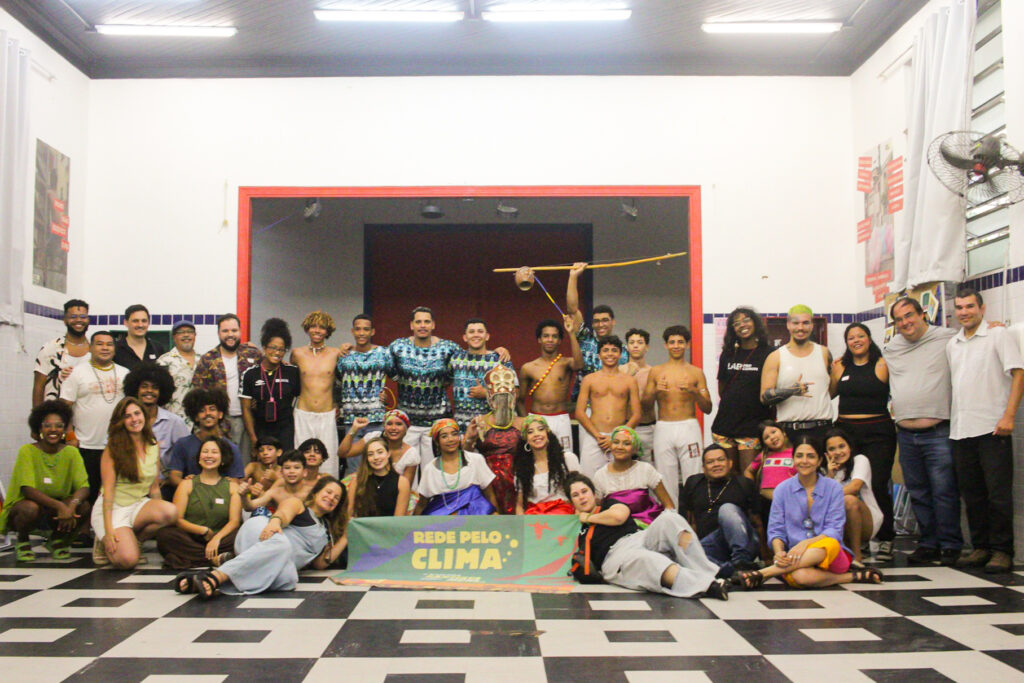
The Climate Network aims to address the challenges of climate change and promote climate justice in the Baixada Santista region through a collaborative network. Regular meetings are being held to listen to community input, conduct mapping exercises, and provide training to strengthen the network.
If you’re from the Baixada Santista region and want to join this climate network and help build safer, more climate-just communities, click the button below.
Sul x South
Climate change affects most communities around the world. Their knowledge, practices, and forms of resilience are essential to building effective and lasting solutions. In the face of the intensifying climate crisis, Sul x South was founded as a collective initiative that seeks to unite, strengthen, and amplify the voices of the Global South in confronting environmental injustices through collaboration and mutual support.
Learn moreCrias pelo Clima
The training program is designed for young filmmakers and those interested in audiovisual media from Cubatão, Guarujá, and Santos—regions affected by the impacts of the climate crisis in the Baixada Santista region. It offers a space for gathering, exchange, and collective creation, where participants will deepen their reflections on climate justice while gaining hands-on experience in audiovisual production based on their own territories, experiences, and pressing concerns.
Learn moreClic
CLIC served as a hub for citizen-driven solutions aimed at improving the public’s understanding of the Federal Government’s Single Registry for Social Programs (CadÚnico) and its functions.
The project was carried out in partnership with GNova Lab—the Government Innovation Laboratory at the National School of Public Administration (ENAP)—the Ministry of Social Development (MDS), the Office of the Controller General, and the Organization of Ibero-American States for Education, Science, and Culture.
Over the course of five weeks, fifteen participants selected through an open call formed three teams and developed concrete prototypes to expand social oversight and the co-creation of climate policies in the municipality.
Learn moreConfluências dos Cuidados
Confluências dos Cuidados is an international initiative that links care and climate justice as inseparable dimensions of a more just and sustainable future. We start from the premise that “care is a political axis that places life at the center”—and, for this reason, it must be recognized as a right, a collective practice, and an ancestral technology of transformation.
Learn moreother projects


our
TIMELINE
Public Safety, Climate, and Care
For the first time in history, the COP (Conference of the Parties) held its 30th session in Brazil. Procomum not only participated in the event, bringing its intersectional agenda of care and socio-environmental justice to the conference, but also created the Care and Climate Circuit, mobilizing collectives in the outskirts of Belém (PA) that are already thinking about and developing practices within this intersectional framework. In addition, we have strengthened partnerships in the Global South, developed a new public safety agenda based on care and coexistence, and worked to advocate for local climate governance.

SulxSouth
An online lab created as a result of the Encontro Sul x South event, which strengthened partnerships among organizations and initiatives in the Global South. The group worked on decolonial climate narratives, creating and supporting initiatives that reimagined the climate agenda from the perspective of those most affected.
LAB Salve!
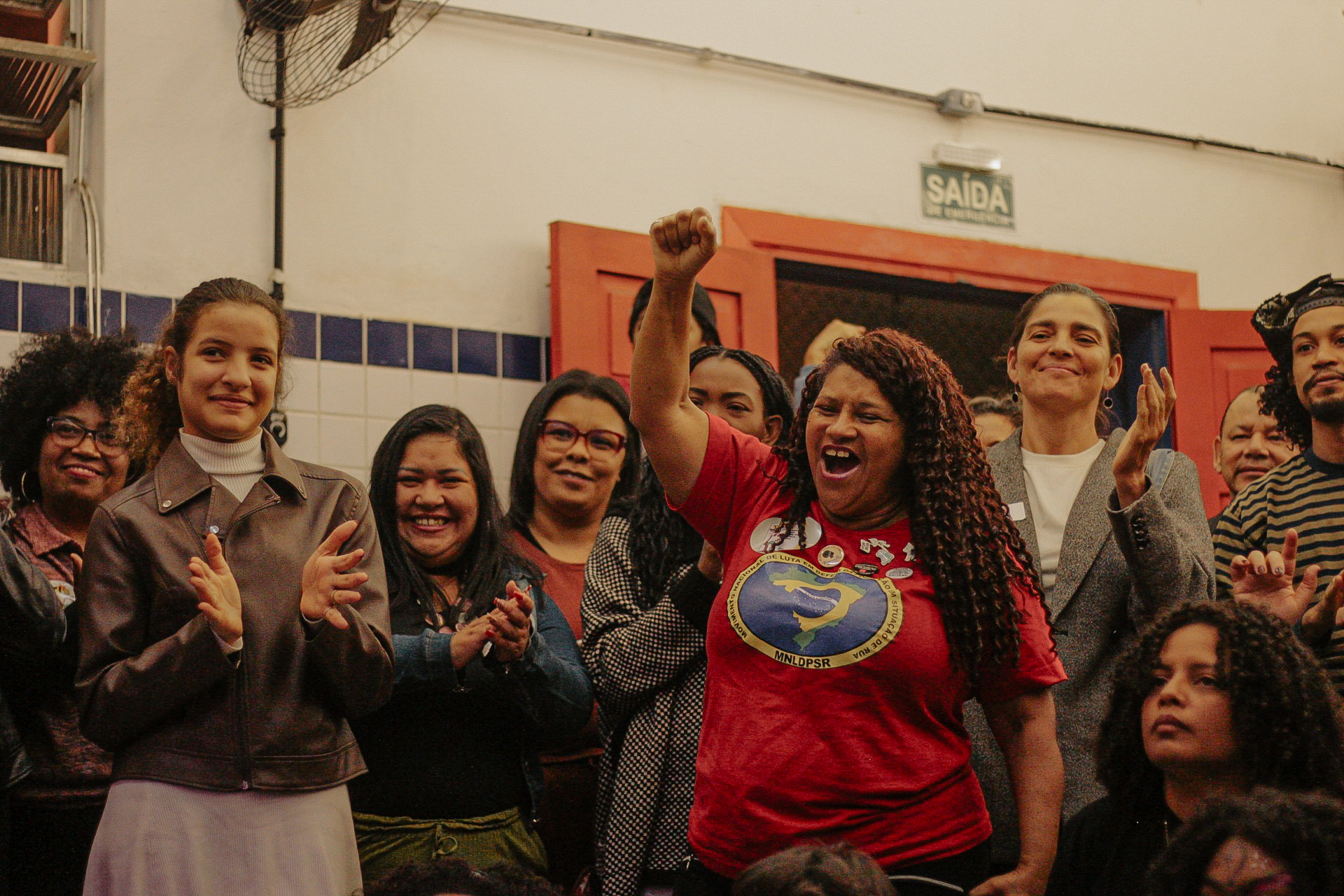
Salve! proposes new ways of thinking about and implementing public safety based on the community. Care and coexistence form the foundation for creating social technologies developed with and for those who live in the city and want to make it safer and more collaborative.
The first laboratory and the development of prototypes that reimagine public safety took place in 2025 in Santos, São Paulo.
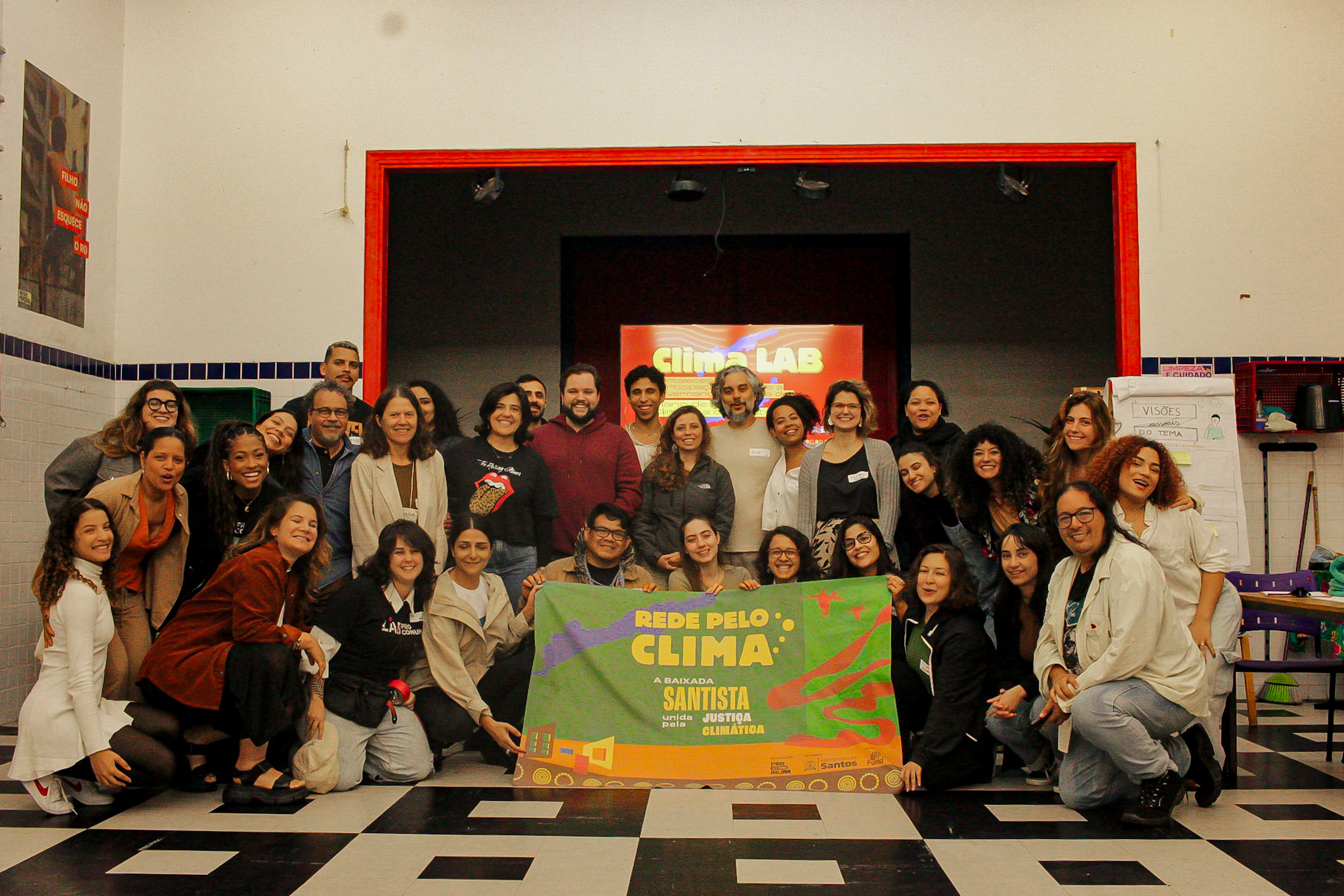
Clima LAB
Clima LAB is a citizen-led laboratory dedicated to creating solutions and prototypes that strengthen citizen participation and climate governance within Santos’ Municipal Climate Action Plan (PACS), engaging the public to take ownership of and actively contribute to its implementation.
Climate Justice and Citizen Innovation
2024 was the hottest year on Earth. In Brazil, floods that ravaged Rio Grande do Sul and extreme wildfires in biomes such as the Cerrado highlighted how vulnerable populations are the ones who suffer the most from the consequences of climate collapse. At Procomum, the issue of climate justice has taken center stage in the organization’s local and international initiatives. At the same time, the organization has made progress in promoting citizen-led innovation in public policy.
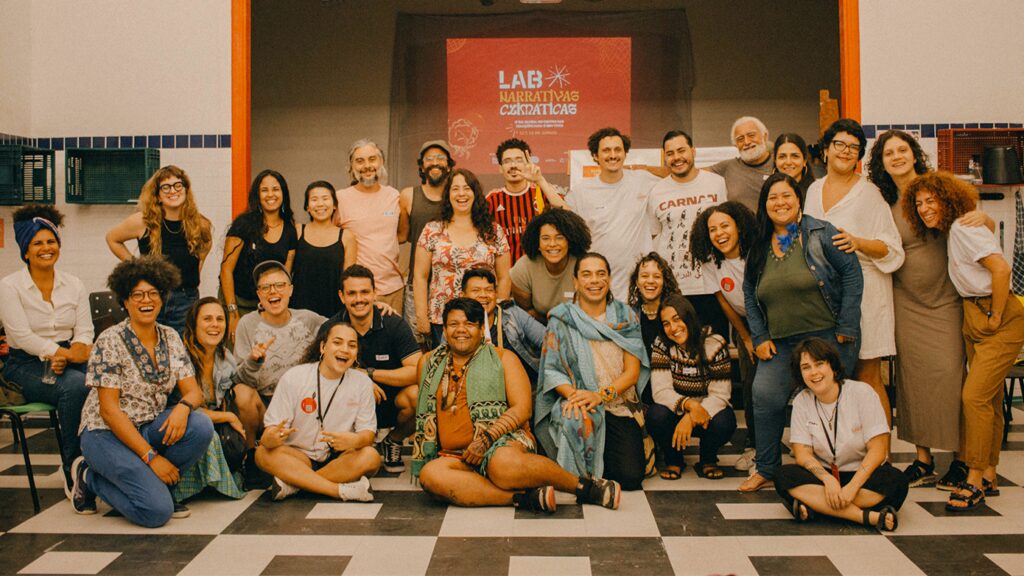
LAB Narrativas Climáticas
The International Meeting LAB Narrativas Climáticas (Climate Narratives Laboratory) was organized by Procomum in partnership with the Nigerian organization Surge Africa, bringing together stakeholders from different parts of the Global South to discuss the issue of climate justice and develop joint solutions to the challenges facing each region. The event also featured a Laboratório Tempestade (Lab Storm).
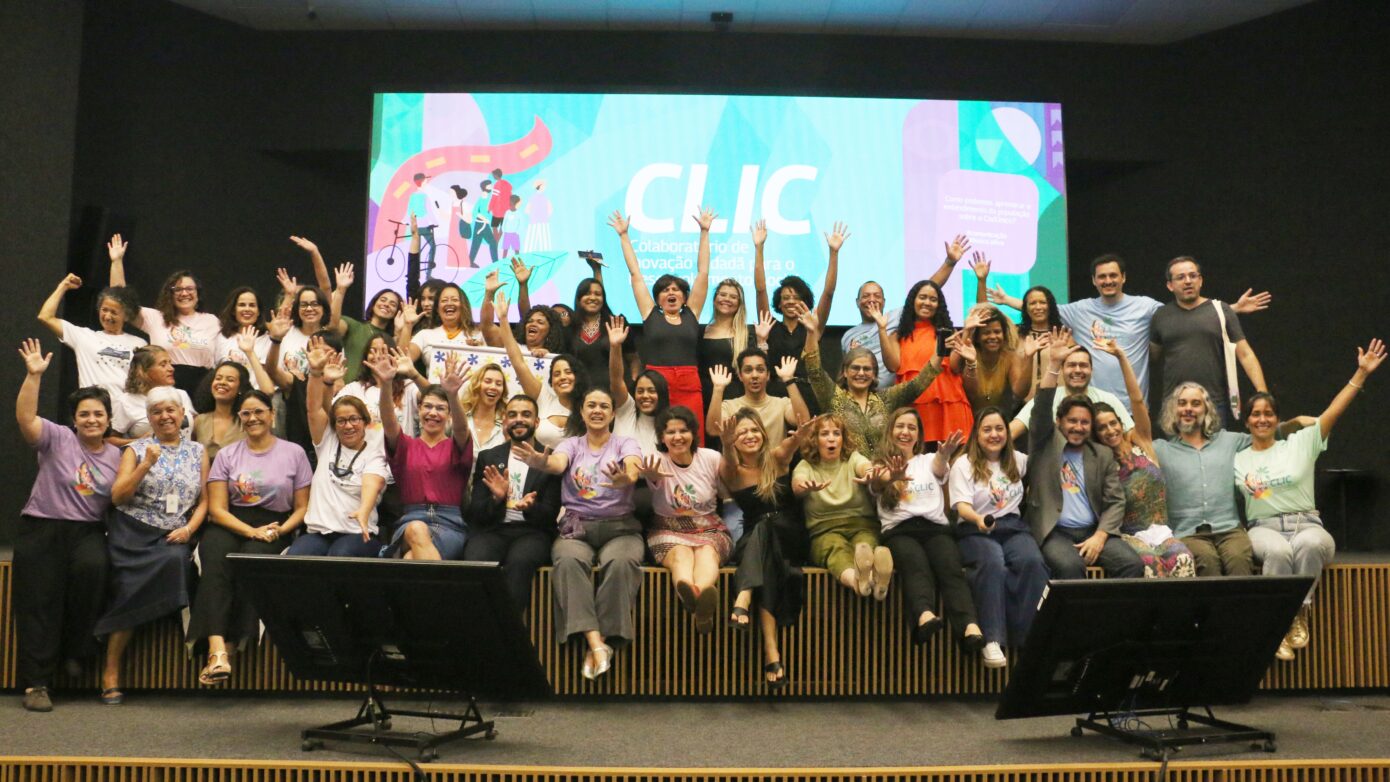
CLIC – Colaboratório de Inovação Cidadã
CLIC served as a hub for citizen-driven solutions aimed at improving the public’s understanding of the Federal Government’s Single Registry for Social Programs (CadÚnico) and its functions.
The project was carried out in partnership with GNova Lab—the Government Innovation Laboratory at the National School of Public Administration (ENAP)—the Ministry of Social Development (MDS), the Office of the Controller General, and the Organization of Ibero-American States for Education, Science, and Culture.
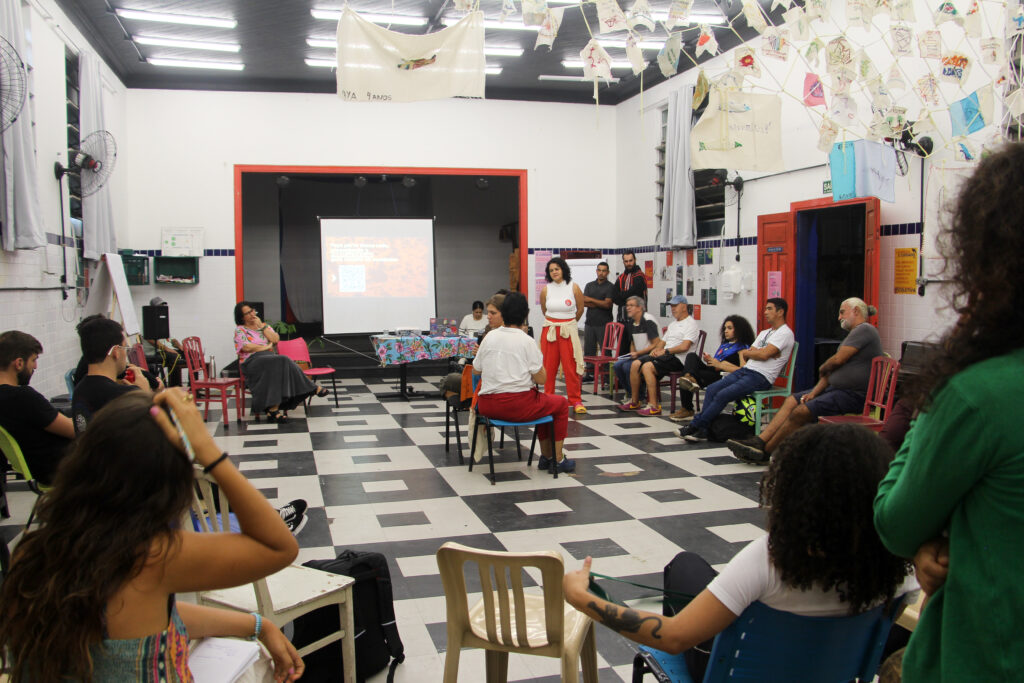
Rede Pelo Clima
The Rede pelo Clima (Climate Network) aims to address the challenges of climate change and promote climate justice in the Baixada Santista region through a collaborative network. Regular listening sessions, mapping exercises, and training sessions were held to strengthen the network.
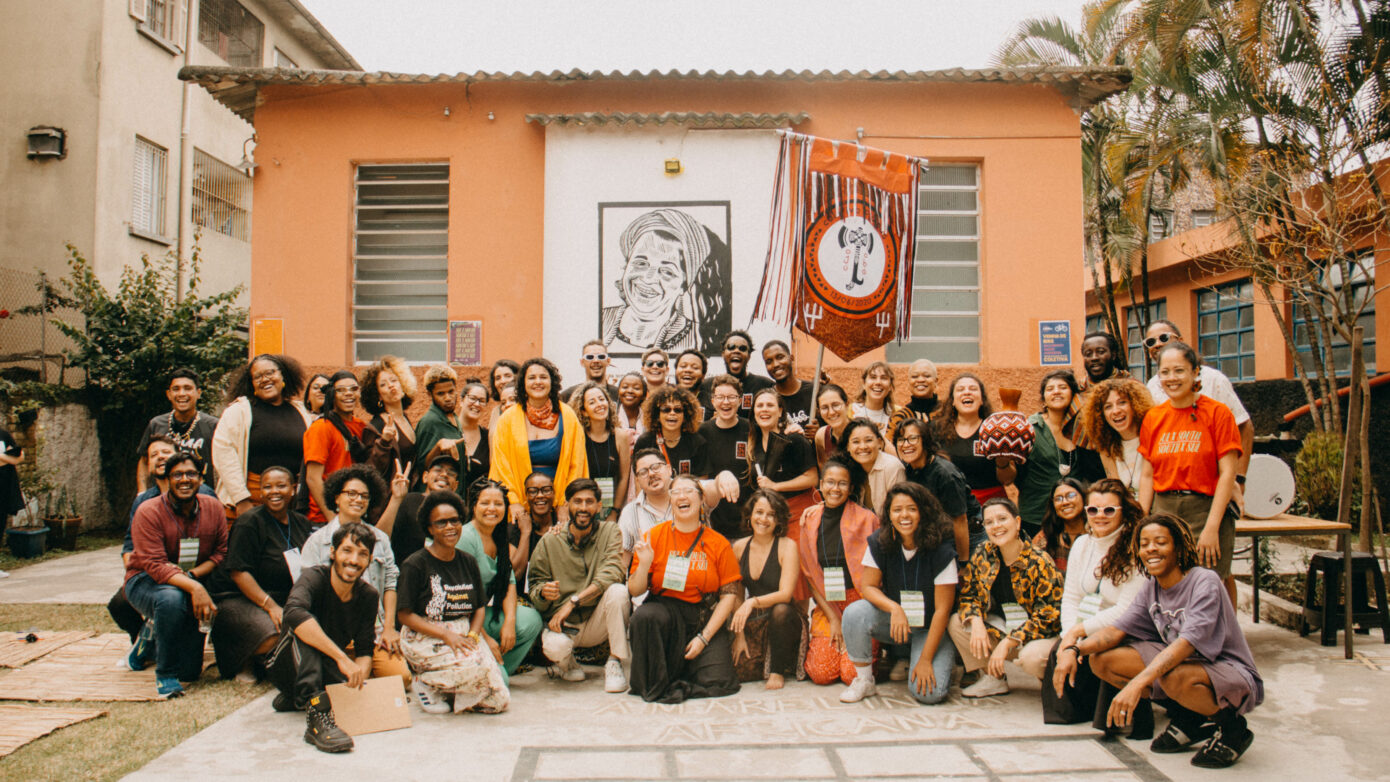
SulxSouth Meeting
An international meeting that brought together 48 participants from organizations working on human rights and climate justice from 16 countries in Latin America, Africa, the Middle East, and Asia. Over the course of five days at LAB Procomum, activists established a support network to develop projects and engage with the Global South’s agenda on the issue.
Care and Climate
The historic drought in the Amazon and the health crises faced by the Yanomami indigenous people were among the challenges of 2023 that required nonprofit organizations to increasingly broaden their perspective on the technologies and solutions that traditional communities can contribute to addressing the climate and socio-environmental crisis.
Procomum expanded its international reach by promoting the care economy agenda in Latin America and deepened its reflections on philanthropy, climate justice, and environmental racism.
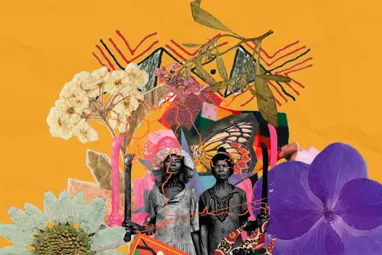
La Cuida
The Laboratory for Activating the Care Economy in Latin America (La Cuida) is a platform that has organized citizen-led workshops to develop and prototype ideas related to the care economy, care, and the commons. This year’s program includes a workshop in Colombia and another in Uruguay.
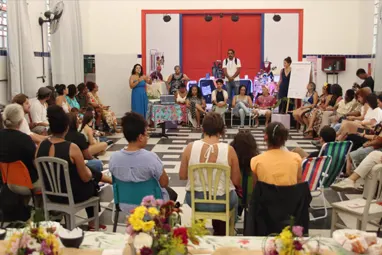
Filantropia Raiz
The Power of Communities That Make a Difference
A seminar designed to foster and promote reflection on the relationship between philanthropy and the commons, both within and outside the Procomum Institute.
LAB Tempestade
The LAB Tempestade (LAB Storm) was a collaborative workshop aimed at developing solutions to the effects of the climate crisis in local communities, such as floods, landslides, and discussions on environmental racism. Its first edition took place in the first half of 2023 in Recife. It was later replicated in the Baixada Santista region, at the LAB Procomum headquarters.
Grassroots philanthropy
In a year in which Brazil voted for democracy and Erika Hilton became the first Black transgender woman to be elected to the federal Chamber of Deputies in Brazil, we at Procomum are turning our attention to local philanthropy initiatives, reinforcing our commitment to social justice and community development.
Rede Comuá
We have joined the Comuá Network, which brings together organizations working in the philanthropic sector that are committed to social justice and the defense of rights. Together with six other organizations that are part of the network, we created the Aliança Territorial – Strengthening Communities and Territories, with the goal of highlighting the unique characteristics of philanthropy with a territorial focus.
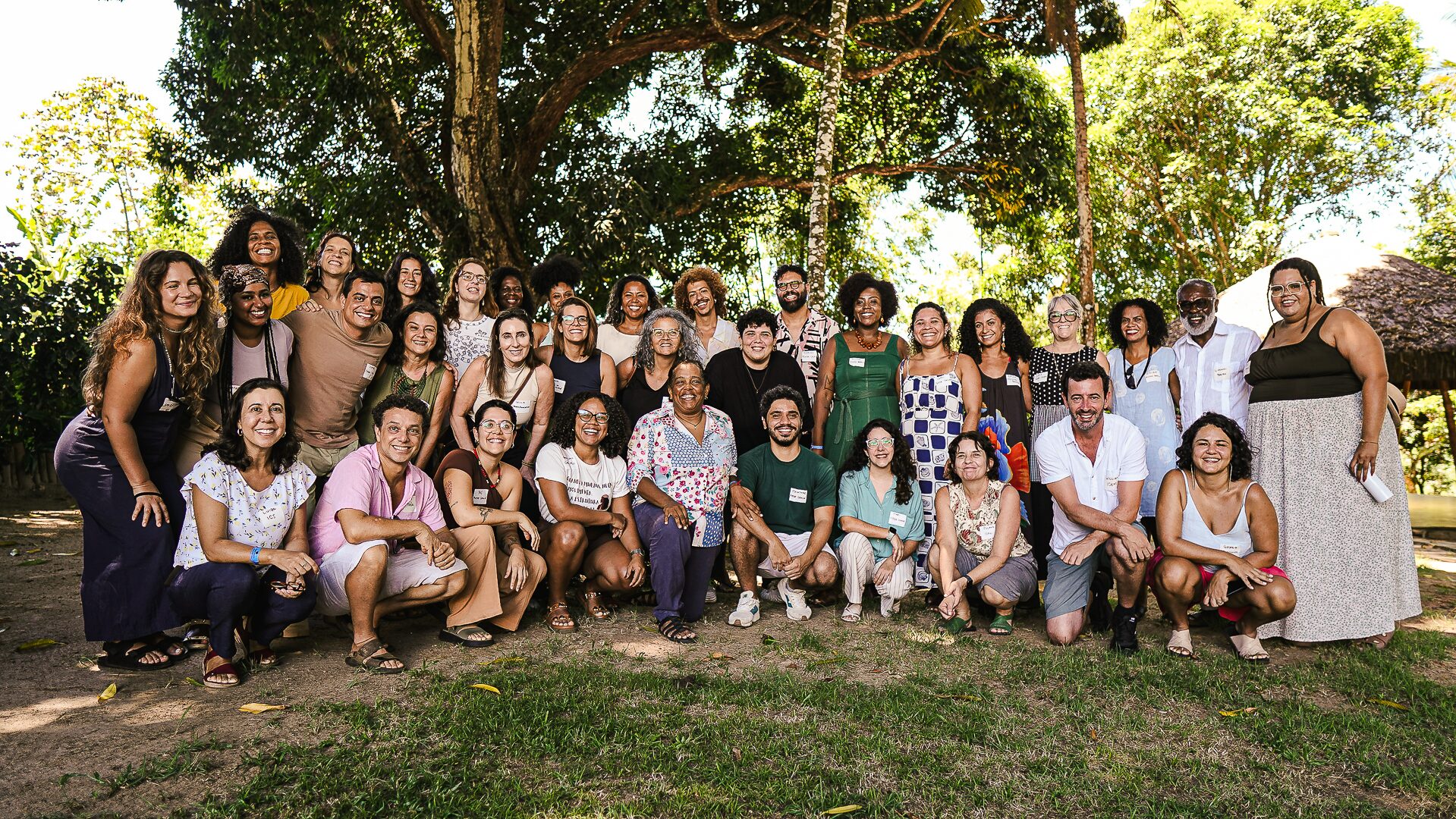
(Re)Opening Our Doors
After a significant delay, the vaccination of the Brazilian population against COVID-19 began. The consequences of this delay were felt during the year with the highest mortality rate from the disease in the country. At Procomum, we reaffirm our commitment to safeguarding rights by creating participatory processes and solutions in accordance with current public health regulations.
The organization launched the Circuito Territórios Comuns initiative and established its first Colaboradora focused on affordable housing (ATHIS).

Circuito Territórios Comuns
The Circuito Territórios Comuns (Commom Territories) was created to foster a community of creators, innovators, and artists who are currently involved in—or have previously participated in—programs run by LAB Procomum and the Procomum Institute, and who were unable to carry out their work due to pandemic-related isolation and difficulties in accessing material and human resources.
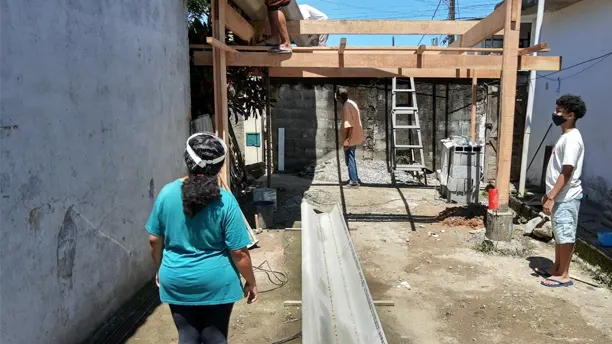
Primeira Colaboradora – ATHIS
The ATHIS Collaboradora was a collaborative initiative for architects and urban planners focused on developing initiatives, prototypes, and solutions based on the ATHIS Law (Technical Assistance for Social Housing) and Urban Commons, in specific areas of the Baixada Santista region (Vila Margarida in São Vicente, and Bela Vista and Vila Progresso in Santos).
Solidarity and networking
Together with social organizations active in the Baixada Santista region, we launched an emergency solidarity and resource distribution initiative in response to the COVID-19 pandemic, coordinating a broad institutional partnership and demonstrating the strength of community networks and locally-based philanthropy.
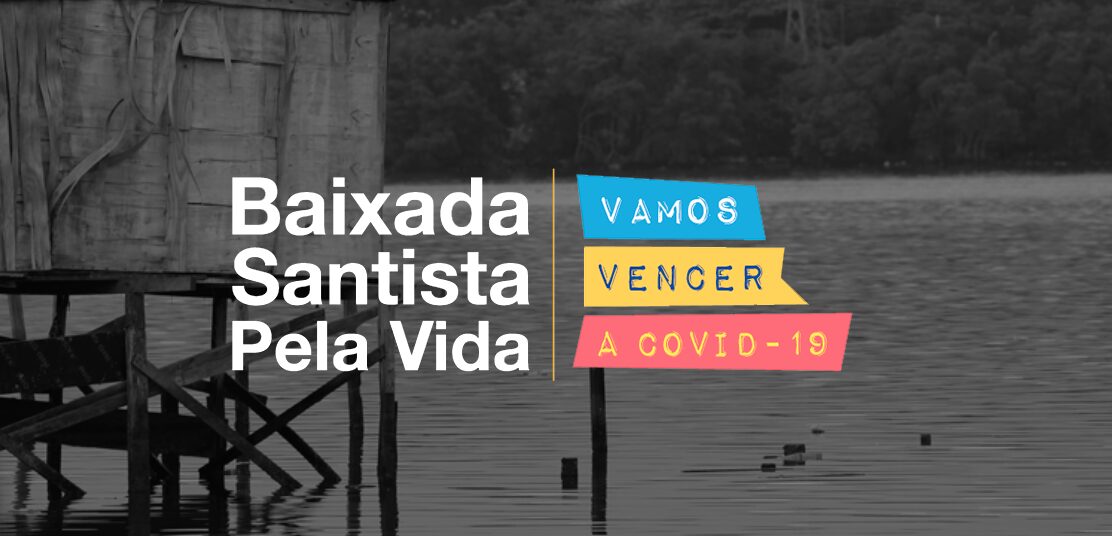
Campanha Baixada pela Vida
The campaign Baixada Pela Vida raised more than R$320,000 reais distributed to 9,000 people (225 families from 26 indigenous communities, 150 homeless people, and 2,179 families from urban communities).
The fund distributed food baskets, entrepreneur assistance grants, food vouchers, hygiene kits, protective masks, face shields, and blankets. It also funded the production of promotional materials for the “Arte no Dique” initiative, organized in partnership with the Santos Citizenship Forum, the Elos Institute, and the Diocese of Santos.
LAB Procomum as an interdisciplinary structure
In the first year of a far-right government in Brazil, disasters such as the Vale dam collapse in Brumadinho (MG) and the fires caused by arson to make way for agribusiness in the Amazon Rainforest have sparked massive popular protests across Brazil, demanding socio-environmental justice, support for the sciences, and greater participation by indigenous communities in decision-making.
In its second year of operation, LAB Procomum began hosting various working and research groups, thereby establishing its initial protocols for collaboration. We also expanded and deepened our reflections on local philanthropy in conjunction with the social entrepreneurship agenda.
Colaboradora – Entrepreneurship and Transformation
We held the first edition of “Colaboradora – Empreender e Transformar.” This edition adapted the methodology for an open-enrollment training program in social entrepreneurship, combining training with hands-on experience in collaborative practices for social entrepreneurs, artists, and other creative professionals. The goal was to strengthen cooperation, build networks, and expand participants’ skill sets.
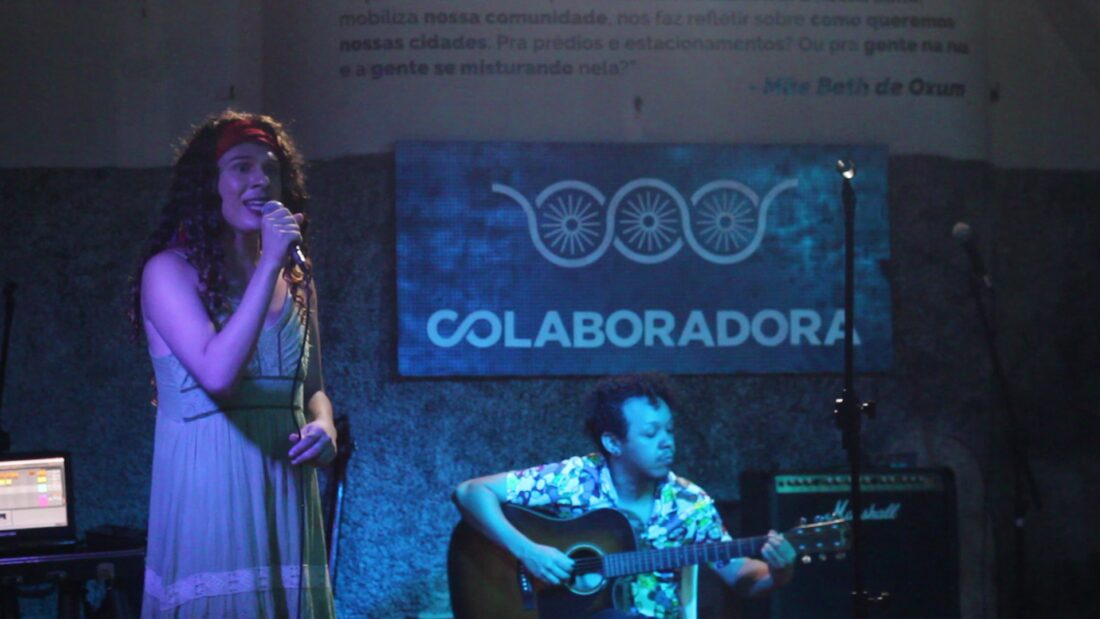
A structure for the common good
In the year of Congresswoman Marielle Franco’s death and the election of a far-right government in Brazil, standing up for the common good has never been more important.
In 2018, LAB Procomum opens its doors with activities from the Ocupe LABxS, a prototyping workshop to develop solutions for utilizing our space and fostering innovation in the region. We also launched the first class at our school, Colaboradora.
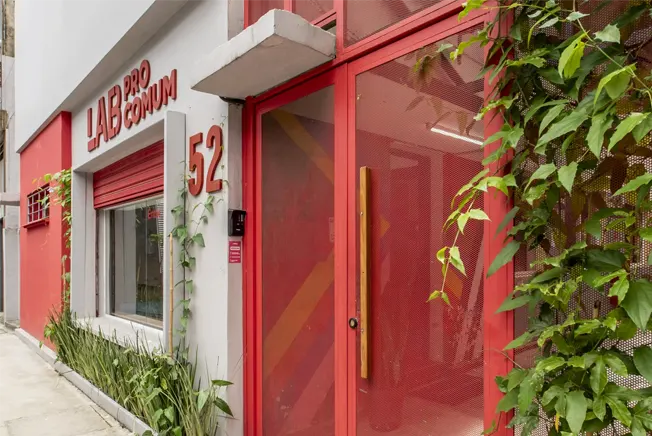
Establishment of the Procomum LAB
LAB Procomum was founded in downtown Santos (SP) as a citizen-led laboratory and cultural center for the collaborative and collective production of the commons, based on methodologies of active listening, community participation, and citizen innovation.
Colaboradora
Arts and Communities
We also held the first edition of Colaboradora – Arts and Communities. The Colaboradora It is a collaboration platform that combines a free-form educational school with a creative, collective environment for work and experimentation. The inspiration came from the “La Colaboradora” project, a program within the Zaragoza Activa social innovation ecosystem in Spain.
It's time to hit the streets!
2017 was a year of growth for citizen innovation labs - whether physical spaces or not - in Brazil and around the world that bring together communities, organizations, and social and public institutions to create solutions to real challenges in their local areas.
It was Procomum’s first year of operation. We carried out two main initiatives: The Circles of the Common and the first Citizen Innovation Circuit and Citizen Innovation event in Santos (SP).
Launch of the First Innovation Circuit and Publication of the MARAL Methodology – Methodology for Activating the Local Network
The Procomum Institute held the first edition of the Circuito LABxS in the Baixada Santista region. The circuit served as the basis for the creation of the organization’s first published methodology, the MARAL Methodology, which in 2026 was recognized by the BB Foundation as one of Brazil’s ten most important social technologies.
An organization is born
Procomum was founded at a time of rising intolerance and violence: while on the Brazilian political scene, President Dilma Rousseff was facing impeachment—ushering in a period of institutional decline in the country—the far right was gaining global momentum with the election of Donald Trump as president of the United States, a figure who embodies individualistic, neoliberal, and extractivist values, in opposition to democracy and community-based knowledge. Procomum's response was to view collective construction and co-creation as solutions to the challenges Brazilian society and the world were facing.
In the year the foundation was established, LAB.Irinto took place—an international workshop and seminar to explore citizen innovation and the founding of the institution and Lab Procomum in Santos.
Founding of the Instituto Procomum
Procomum was founded with the goal of bringing together people, organizations, and initiatives around a common purpose: to envision and build collective solutions to the major challenges of our time through citizen-driven innovation, the promotion of traditional knowledge, and the unconditional defense of the commons.
Georgia Nicolau, Rodrigo Savazoni, and Marília Guarita have been appointed to the organization’s board of directors. The founding members are: Rodrigo Savazoni, Georgia Nicolau, Marília Guarita, Carmen Lúcia Brandalise, Antonio de Oliveira Leite Biondi, Nivaldo Aureo, Luis Massonetto, Lia Rangel, João Brant, Bianca Santana, Juliana Nolasco, Sérgio Amadeu, Giselle Beiguelman, Renato Rovai, Maria Caramez Carlotto, and Ursula Dias Peres.
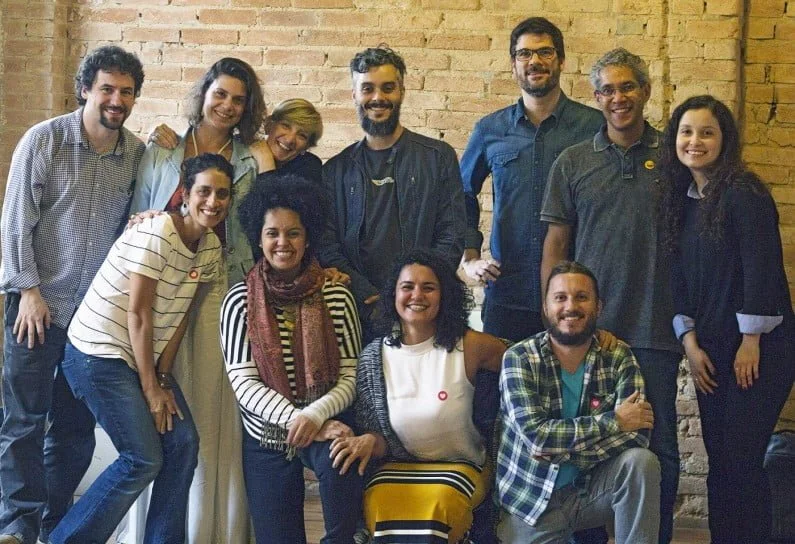
Photo from Procomum’s first board meeting: João Brant, Lia Rangel, Giselle Beiguelman, Niva Silva, Sergio Sampaio, Cássio França, Bruna, Marilia Guarita, Bianca Santana, Georgia Nicolau, and Rodrigo Savazoni.
our
PUBLICATIONS
Documenting and systematizing the methodologies and prototypes of a citizen-led lab ensures Procomum’s commitment to the production of the commons. They allow other organizations, collectives, and even public agencies to access the knowledge we’ve generated and our approach to running a lab. In this way, citizen innovation methodologies can be replicated and adapted to different contexts.
awards and
ACKNOWLEDGMENTS
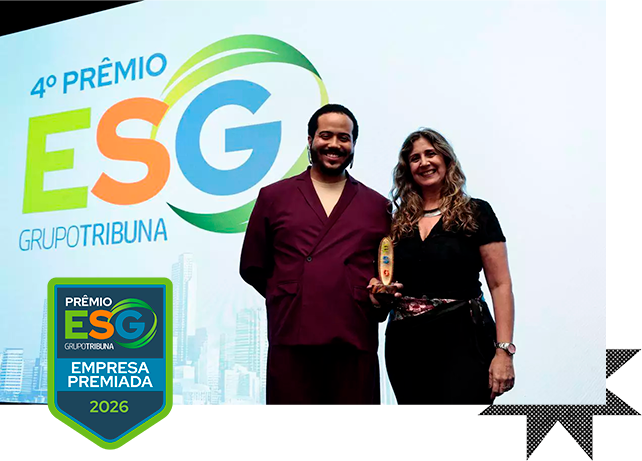
Clima LAB Wins Award
Winner of the Tribuna Group 2026 ESG Award in the Governance category
This recognition underscores the importance of collaborative initiatives that bring together civil society, government, and other sectors to address the region’s climate challenges.
Culture Hub Seal
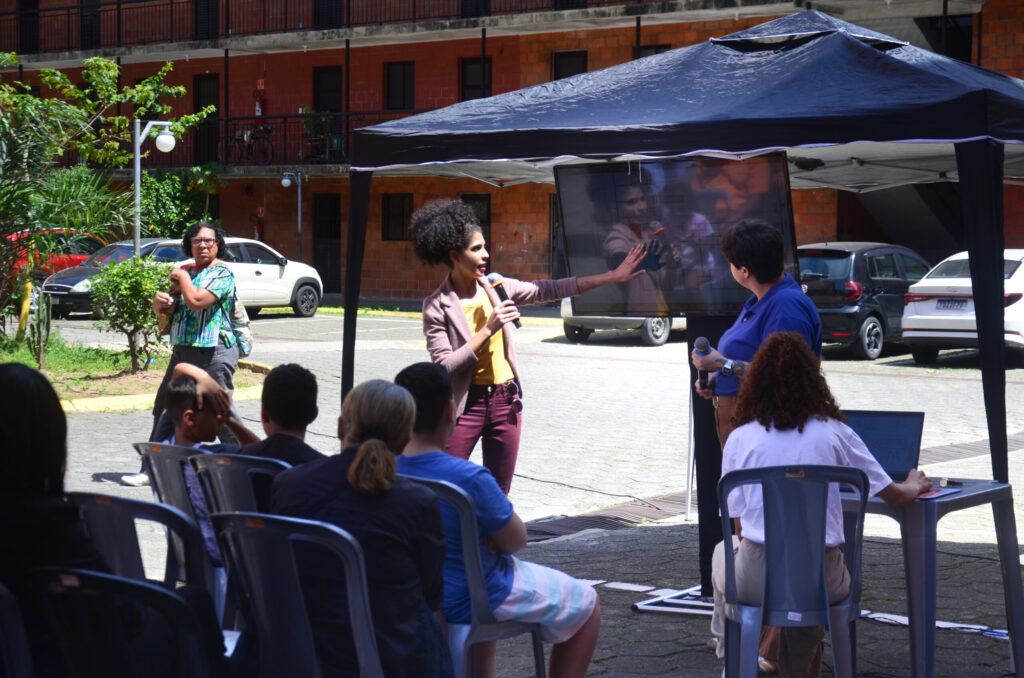
This recognition highlights the cultural expressions, education, and practices developed within the community, the collaboration within the Cultura Viva network, and the contributions to ensuring access to, protecting, and promoting cultural rights in Brazil.

our
TEAM
Board of Directors
Georgia Nicolau | Executive Board
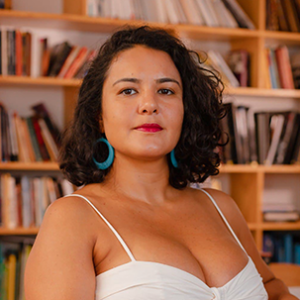 A journalist with experience in social justice initiatives, culture, and the arts, Georgia serves as a facilitator and coordinator in organizational development and civil society strengthening efforts, with a focus on the transition to a more just world and research on good living, the commons, and social justice.
Fabrício de Freitas | Director of Resources
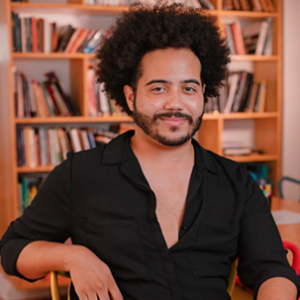 Administrator, actor, and cultural producer, with a degree in Business Administration from UNIP and in Performing Arts from EAC in Santos. He has been working at the institution since 2019 in administrative and financial management. In addition, he works as an actor and executive producer on audiovisual and theatrical projects.
Carlota Mingolla | Institutional Director
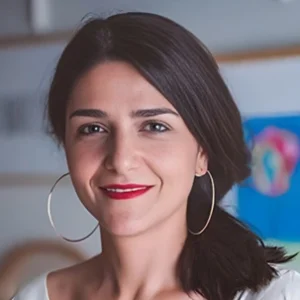 Curious and restless by nature, I work as a researcher and consultant for multisectoral initiatives, multilateral organizations, NGOs, companies, and the public sector. My work focuses primarily on research into emerging trends, innovation projects, impact, coalitions, and change management.
Professional team
Beth Pereira | Mobilization and Production Manager
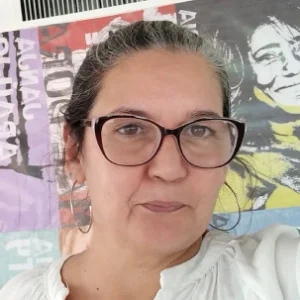 With over 40 years of experience in project management, event production, and institutional coordination, she works to coordinate sociocultural activities, participatory processes, and initiatives to engage the public and partners.
Cecília Garcia | Communications Manager
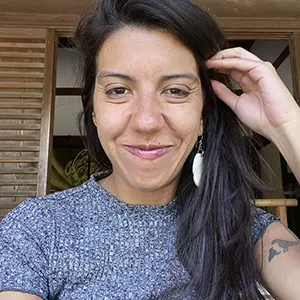 A writer and journalist (PUC-SP), she has spent more than ten years creating institutional communications for nonprofit organizations that translate the kind of world they wish to build into meaningful narratives.
Emanuelly Abade | Production Coordinator
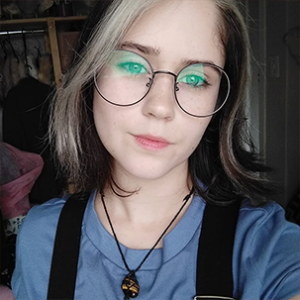 An artist, art educator, and producer, she graduated from the “Wilson Geraldo” School of Performing Arts and is currently in her final semester of a Bachelor’s degree in Theater at the University of Brasília. She also works as a set designer, art director, assistant director, and producer on a freelance basis.
Fabiano Rangel Cidade | Full-Stack Developer / DevOps
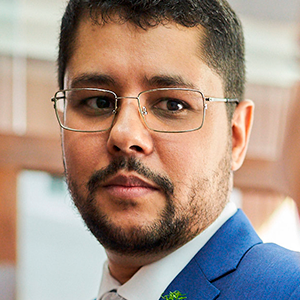 Full-Stack / DevOps Developer with experience in software development, infrastructure, and process automation. Works to bridge technology, operations, and innovation to create efficient and scalable digital solutions.
Fernanda Gomes | Resources Manager
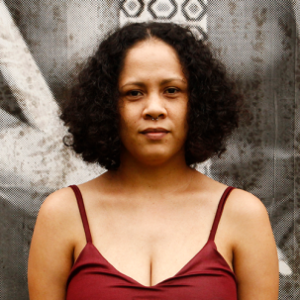 She holds a degree in Accounting, with additional training in the nonprofit sector, administration, and startup management. She has experience as a social educator in community outreach and relationship-building programs, as well as in drafting social projects, financial reporting for the nonprofit sector, and accounting.
Glaucia Rodrigues | Knowledge Production Analyst
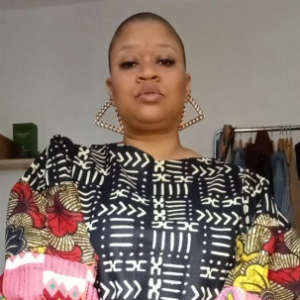 With a bachelor’s degree in Mass Communication and Business Management and a master’s degree in Fashion Product Design, she studied Communication Sciences at Fernando Pessoa University in Porto, Portugal. At Procomum, she has served as a communications specialist and project advisor.
Henrique Lima | Resources Analyst
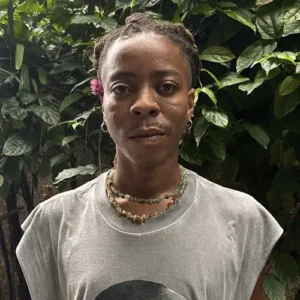 A photographer based in the southern part of São Paulo and a computer graphics student. He has knowledge of accounting, experience in administration, and a knack for organizing spreadsheets.
Isa Luz | Institutional Manager
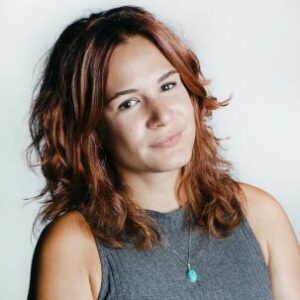 With a degree in Communication, she manages social impact projects related to climate change, community networking, culture, and the arts. She also works on fundraising and the development of communication materials and impactful narratives for audiovisual media.
Joana Chaves | Communications and Public Relations Analyst
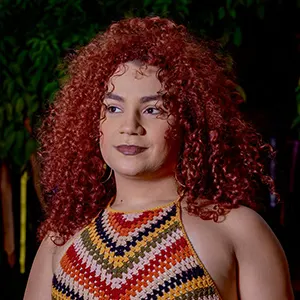 Actress, broadcaster, and creative arts producer, a graduate of EAC – Wilson Geraldo School of Performing Arts, with eight years of experience in the performing arts. An active producer with strong leadership instincts and a willingness to listen in order to resolve challenges within groups and/or work environments.
Jessica Franco | Fundraising Coordinator
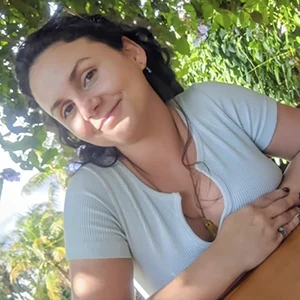 She has been working in the nonprofit sector since 2020, with experience in financial management, project development, fundraising, and financial reporting. She holds a master’s degree in Marketing and is currently pursuing a bachelor’s degree in Economics. Her work bridges culture, the solidarity economy, care, and regional development, with a focus on climate finance and socio-environmental justice.
Lari Schmillevitch | Project Coordination
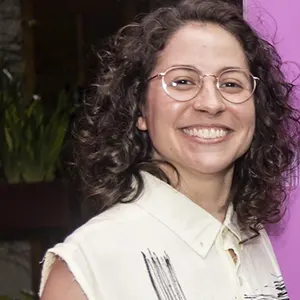 A psychologist by training, she specializes in mental health and is passionate about developing and sharing technology for social transformation. She has been working in the nonprofit sector since 2018, building and managing projects that bring together innovation, civic engagement, and public policy. After transitioning into the technology field, she began working on the development and management of digital projects and products. Today, she works in human resources management.
Luiza Xavier | Mobilization and Care Advisor
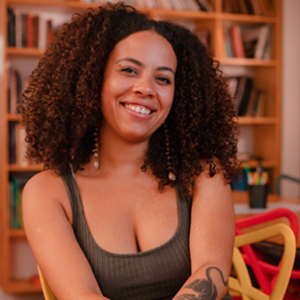 Psychologist (UNIFESP, 2018), holds a master’s degree in Education, and is a researcher in the field of race relations, gender, and class. She worked in the Psychosocial Care Network in the São Paulo metropolitan regions of Baixada Santista and ABC, with an emphasis on health promotion for individuals with substance abuse issues; and in providing care for children and adolescents who have experienced human rights violations.
Luana Regina | Web Designer
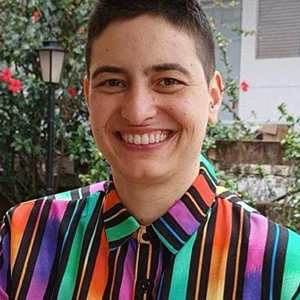 She holds a degree in Graphic Design from Centro Universitário Belas Artes and works in graphic design and layout for online and print materials for the nonprofit sector and independent publishers.
Mauro Fecco | Mobilization Coordinator
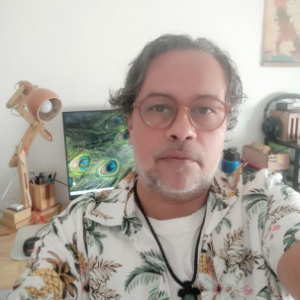 Architect, musician, visual artist, puppeteer, set designer, and maker. He specializes in working with natural materials. He leads workshops on the process of developing citizen-driven innovation and offers open music classes.
Niva Silva | Methodology Advisor
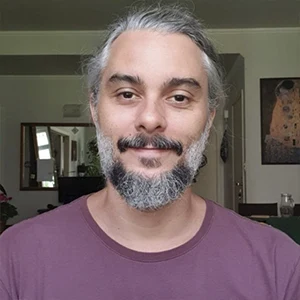 Co-founder and methodology advisor at Instituto Procomum. He holds a bachelor’s and master’s degree in Design, with a specialization in education and training as a facilitator. He has worked in the private sector, academia, the nonprofit sector, and government. He works with Desipedagoga, a specialist in Afro-Brazilian and Indigenous History and Culture and in Gender-Sensitive Care Policies. He engages in local, community-based, and educational initiatives focused on girls and women, promoting the right to care, strengthening Black culture in the periphery, and expanding social and political participation.
Prince Belofá | Production Assistant
 Poet, activist, macumbeiro, and rapper. From the outskirts of the Federal District to the world. Prince Belofá is a young artist, but he has a very mature perspective on the world, on love, and on history.
Silmara Baron | Production Assistant
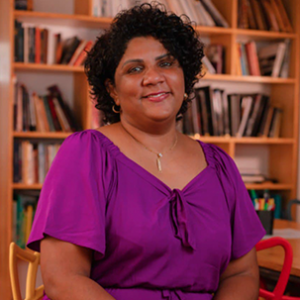 She holds a degree in business administration. She is naturally curious and constantly seeks to expand her knowledge and improve her skills in the areas of administration and production. She is a community organizer for social and local initiatives.
Soledad Maria | Institutional Coordination
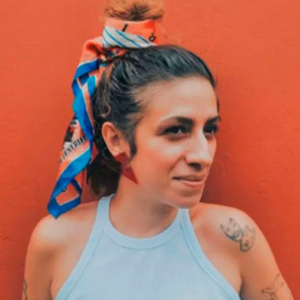 A woman from the Northeast of Brazil, an independent feminist, writer, visual artist, performer, singer, cultural manager, and researcher of the communities and cultural, activist, and social movements led by Latin American women. She has released two albums: her self-titled album “Soledad” and her latest, titled “Revoada.”
Valéria Silva | Mobilization and Care Analyst
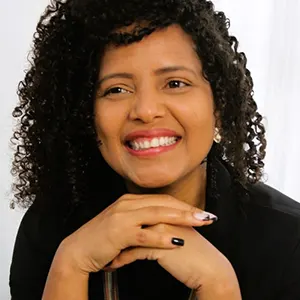 Educator and specialist in Afro-Brazilian and Indigenous History and Culture, as well as in Care Policies with a Gender Perspective. She works on local, community-based, and educational initiatives focused on girls and women, promoting the right to care, strengthening Black culture in peripheral communities, and expanding social and political participation.
Victor Sousa | Innovation Manager
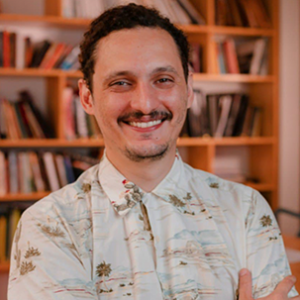
Victor Marinho holds a degree in Communication (PUC-SP) and specializes in open technologies and innovation. He bridges the gap between open-source and open-knowledge values and practices to foster collaborative and interdisciplinary innovation processes.
He is a member of GIG (Global Innovation Gathering), an international network that brings together leaders in innovation. He is an active contributor to various open-source communities.
He is also a photographer and a huge fan of Brazilian music and art.
Audit Committee
Davi Arloy
 Finance and Administration professional with a degree in Economics from the University of São Paulo (USP). He works in management at social organizations and on causes related to technology, racial equity, and LGBTQIAPN+ issues.
Diego Reeberg
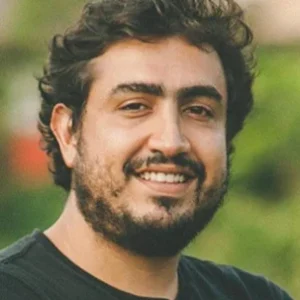 Co-founder of Catarse and former COO of Mola Education, with a career marked by innovation and social impact. A graduate in Business Administration from FGV, he creates and designs strategies for organizations.
Letícia Tavares
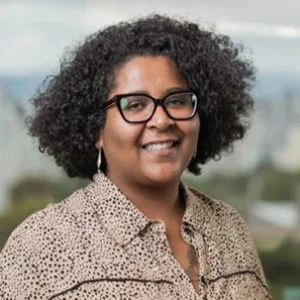 Consultant and financial management specialist with over 15 years of experience in the nonprofit sector. Director of Operations at the Journalism Support Fund, focused on supporting independent journalism.
Advisory Board
Anderson Penha
 He works on global projects that blend purpose and creativity. As the founder of Casa SETE and the Contrafluxo collective, he creates meaningful experiences for people and communities.
Daniela Scapin
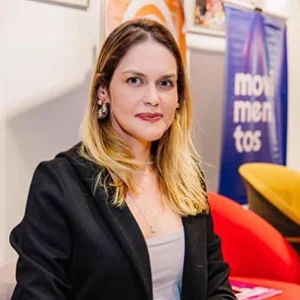 An expert in technology, policy, and strategic communication, with a background in digital public policy.
Cristiane Fontes
 A journalist specializing in strategic communication, with a focus on climate and environmental issues in Brazil. She works with international organizations in the fields of conservation, climate justice, and human rights.
Iara Pietricovsky
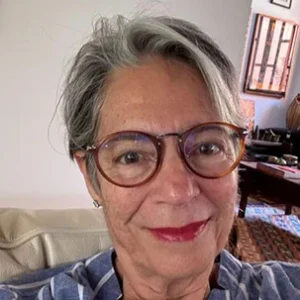 She holds a master’s degree in political science and a bachelor’s degree in anthropology, and is a feminist and human rights activist. She works on issues related to indigenous peoples, the environment, and socio-environmental justice.
Larissa Amorim
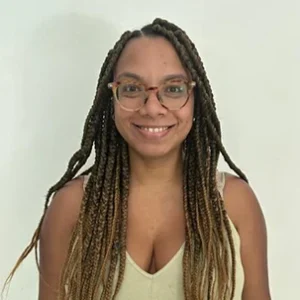 A journalist passionate about urban issues and civic engagement. As executive director of Casa Fluminense, she works to strengthen leadership and public policy in Rio de Janeiro.
Luis Massonetto
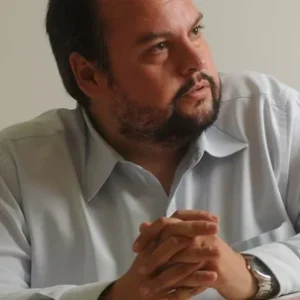 He holds a Ph.D. in Political Economy and Economic Law from the University of São Paulo (USP). He teaches Political Economy and Urban Law and conducts research on the legal aspects of the production of social space, with a focus on the relationship between law and the production of the political and economic space of accumulation.
Marcele Oliveira
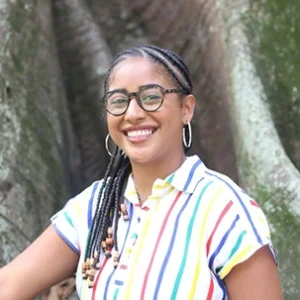 Cultural producer, communicator, and climate activist, with a focus on education and adaptation in urban peripheries. She researches the connection between culture and the fight against climate change.
Pedro Hartung
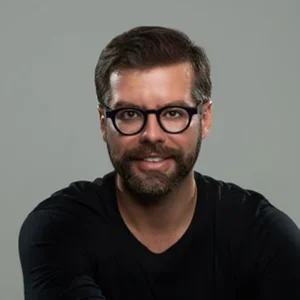 An activist and lawyer dedicated to children and the environment. CEO of the Alana Foundation, he holds a Ph.D. in Public Law from the University of São Paulo (USP), is a professor at the Getulio Vargas Foundation (FGV), and is a co-founder of Advocacy HUB.
Roberto Vilela
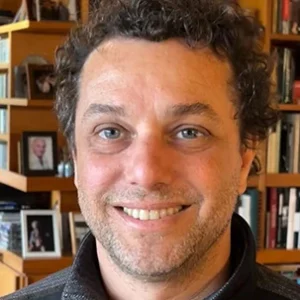 He holds a master’s degree in Public Administration from FGV-SP and works as a strategic planning consultant for the public and private sectors. A specialist in microcredit, he directs Tabôa Fortalecimento Comunitário.
Tauá Pires
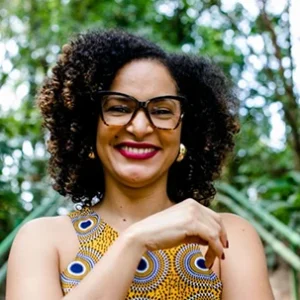 She works on issues such as human rights, the social economy, youth, inequality, and traditional communities. She is the director of the Alziras Institute and a founding partner of Recursos Humanos + Direitos Humanos.
Sanara Santos
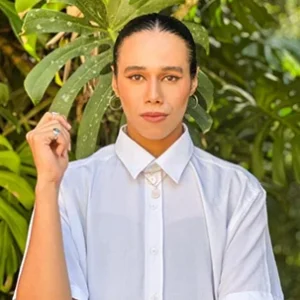 A journalist with extensive experience in community journalism, she is the director of Énois and co-founder of Transmídia, a media outlet dedicated to giving a voice and visibility to the transgender and transvestite community.
Members
Rodrigo Savazoni | Founding Partner
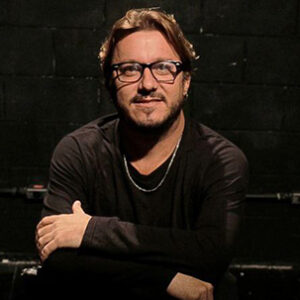 Writer, Researcher, and Social Entrepreneur. Ph.D. in Humanities and Social Sciences from the Federal University of ABC (UFABC). Founder of the Procomum Institute (IP) and Casa Comum. Ashoka Fellow. Activist for free culture and the commons.
Marília Guarita | Founding Partner
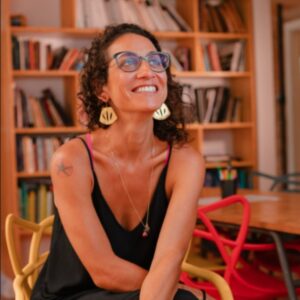 Journalist and Physical Education Teacher, with a master’s degree in Health and Society from UNIFESP and an MBA in Strategic Management from Fundação Getúlio Vargas. She currently works in project management in the nonprofit sector. She was the founder and director of resources at Instituto Procomum for seven years.
Niva Silva | Methodology Advisor
Co-founder and methodology advisor at Instituto Procomum. He holds a bachelor’s and master’s degree in Design, with a specialization in education and training as a facilitator. He has worked in the private sector, academia, the nonprofit sector, and government. He works with Desipedagoga, a specialist in Afro-Brazilian and Indigenous History and Culture and in Gender-Sensitive Care Policies. He engages in local, community-based, and educational initiatives focused on girls and women, promoting the right to care, strengthening Black culture in the periphery, and expanding social and political participation.
Victor Sousa | Innovation Manager
Victor Marinho holds a degree in Communication (PUC-SP) and specializes in open technologies and innovation. He bridges the gap between open-source and open-knowledge values and practices to foster collaborative and interdisciplinary innovation processes.
He is a member of GIG (Global Innovation Gathering), an international network that brings together leaders in innovation. He is an active contributor to various open-source communities.
He is also a photographer and a huge fan of Brazilian music and art.
Partnerships
Veja quem está construindo a Procomum
SPONSORS


PARTNERS


ACKNOWLEDGMENTS




 Procomum 2016-2026. Some rights reserved.